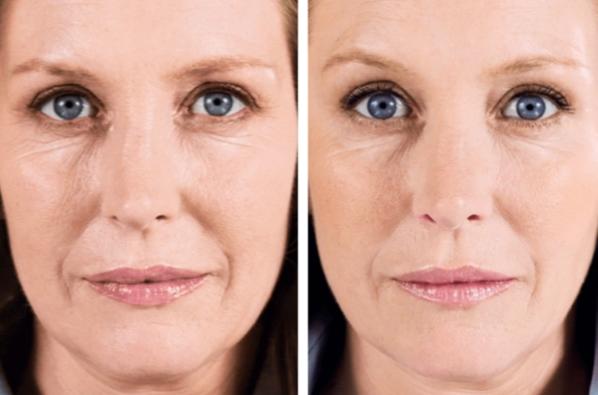
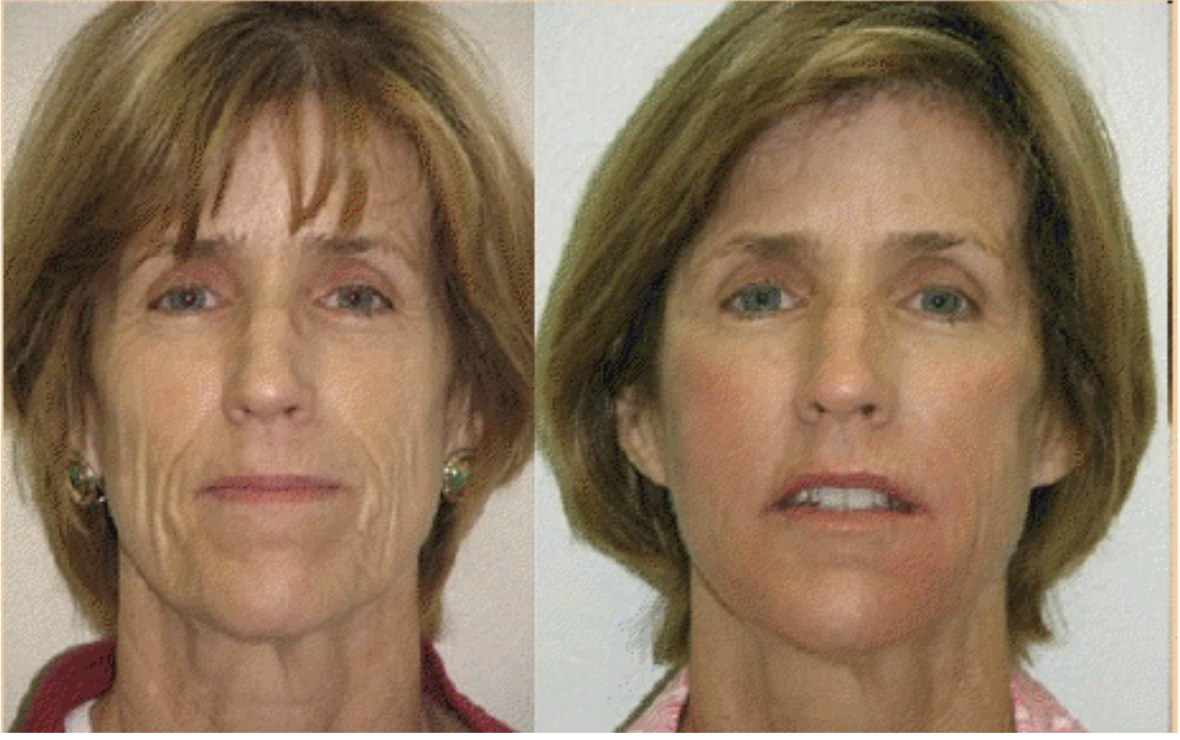
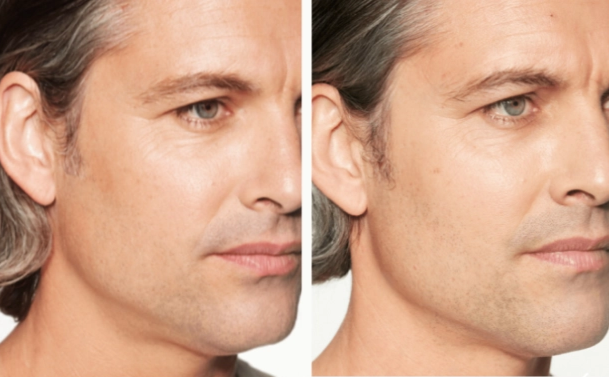
Sculptra is an injectable treatment that restores lost facial volume, but it works in an unusual way. Instead of filling a space with gel, Sculptra prompts your body to rebuild its own collagen. The result is a slow, natural return of fullness over a few months. Sculptra is made from poly-L-lactic acid (PLLA), a material used safely in medicine for decades, from the same family as dissolvable stitches. When injected, Sculptra acts like scaffolding around which the body builds collagen. The Sculptra itself dissolves in a few weeks, and the body is left with a new collagen matrix.
Most fillers, like Juvéderm and Restylane, are made of hyaluronic acid and add volume the moment they are placed. Sculptra is a different kind of treatment, called a collagen stimulator. It does not fill space itself; it works beneath the surface, encouraging your skin to grow new collagen of its own. That is why Sculptra is slower than a regular filler, and also why its results can feel so natural and last so long. Sculptra is best for broad, gradual volume loss, the overall flattening and hollowing that comes with age. Common areas include cheeks that have lost fullness, hollow temples, the lower face and jawline, and folds from the nose to the mouth. Sculptra is not used in the lips, and it is used carefully or avoided in the delicate area under the eyes.
Sculptra is given as a series, not a single visit. Most people need two to six sessions, spaced roughly a month or more apart. Before your visit, the Sculptra is prepared: it comes as a powder and is carefully mixed with sterile liquid ahead of time. At your appointment, we clean the skin and use numbing for comfort; the product also contains a mild anesthetic. Sculptra is injected beneath the skin, and we gently massage the area afterward. In the first days, any fullness you see is mostly swelling and settles. The real result comes slowly, as your collagen builds over the following months. Most people see their face look gradually fuller and more refreshed over three to six months. Sculptra’s results often last two years or more.
Common side effects are mild and brief: swelling, redness, bruising, or tenderness for a few days. There is one risk specific to Sculptra worth knowing: weeks or months after treatment, a small firm bump (a nodule) can sometimes form under the skin. Most are not visible and resolve on their own. The risk is lowered by careful product preparation, skilled placement, and a simple massage routine we will ask you to follow at home for a few days. Unlike hyaluronic acid fillers, Sculptra cannot be dissolved. It fades on its own gradually over time. This is exactly why Sculptra calls for an experienced, careful hand, and why we treat conservatively, building gradually rather than adding too much at once.
Sculptra rewards patience and restraint. The right plan depends on where you have lost volume, how much, and how gradually you want to see the change. We plan conservatively, layering results over months, because Sculptra cannot be dissolved.